Get Radiator Heating Installation
Radiator heating installation services help property owners upgrade or add heating systems, handling projects like new setups, replacements, or repairs with local contractors.
Radiator heating installation is a practical solution for property owners seeking efficient and reliable warmth throughout their space. Whether upgrading an existing system or installing a new setup, choosing experienced local contractors can ensure the job is handled with care and expertise. Exploring your options and comparing different service providers can help identify the right approach for your property’s heating needs, providing peace of mind as you plan your project.
Understanding the benefits of radiator heating and the available local services can support informed decision-making. Property owners might consider this work to improve energy efficiency, enhance comfort, or upgrade outdated systems. Continuing to explore local options allows for a clearer picture of what’s available, making it easier to find the right professionals to handle the installation smoothly and effectively.
- Radiator Heating System Installation - needed when upgrading or replacing an outdated or inefficient heating system in a home or building.
- Hydronic Radiator Setup - required for properties seeking a consistent and comfortable heat distribution using water-based radiator systems.
- Radiator Repair and Replacement - necessary when radiators are leaking, not heating properly, or have suffered damage over time.
- Custom Radiator Design and Installation - suitable for clients wanting tailored heating solutions to match specific interior styles or layout requirements.
- System Balancing and Optimization - important for ensuring even heat distribution across all radiators in a building for maximum comfort.
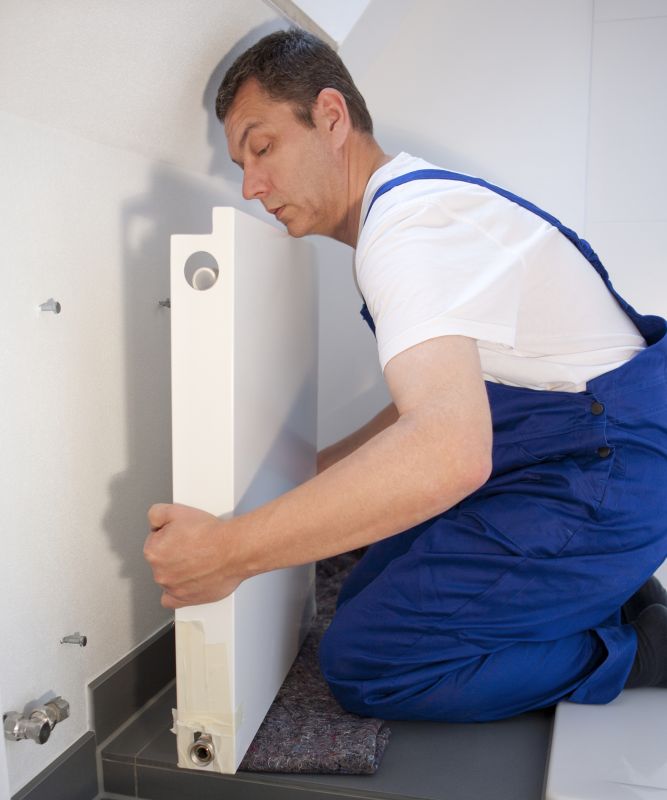
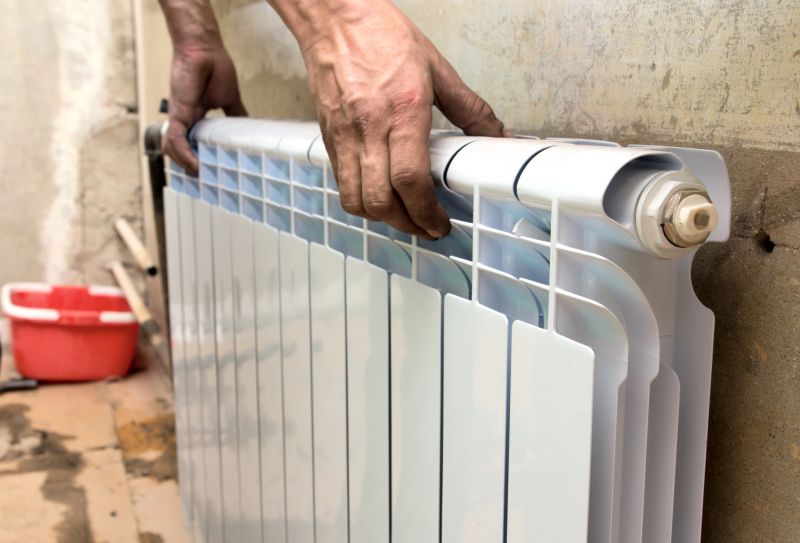
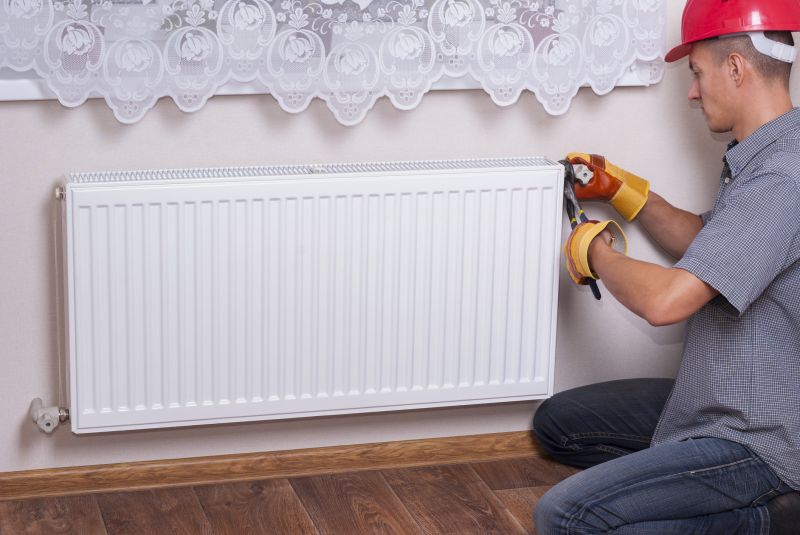
Radiator heating installation involves setting up a system that uses radiators to distribute heat throughout a property. This process typically includes installing the necessary piping, connecting radiators in appropriate locations, and ensuring the system is properly integrated with the existing heating source, such as a boiler or furnace. Skilled service providers can handle everything from assessing the property's heating needs to completing the installation efficiently, helping homeowners enjoy consistent warmth during colder months.
This type of heating service is often sought to address issues like uneven heating, high energy bills, or outdated heating systems that no longer function effectively. Radiator installation can also be a solution when upgrading from older, inefficient systems or when building a new home that requires a reliable and straightforward method of heating. By installing a radiator system, homeowners can experience improved comfort levels and better control over their indoor climate, especially in spaces where traditional forced-air systems may not be ideal.
Properties that commonly use radiator heating include older homes with existing radiator infrastructure, new constructions designed for hydronic or steam heating, and renovations where traditional heating methods are preferred. This service is suitable for residential properties of various sizes, from single-family houses to multi-unit buildings, particularly in areas with colder climates. Homeowners considering a radiator system often look for a practical, effective way to maintain warmth without relying solely on forced-air heating solutions.
Local contractors offering radiator heating installation services can evaluate a property's specific needs and recommend the best approach. They handle tasks such as selecting appropriate radiator types, ensuring proper placement for optimal heat distribution, and integrating the system with existing heating sources. Contacting experienced service providers can help homeowners find the right solution to improve comfort, address heating problems, and ensure the system operates efficiently for years to come.
The overview below groups typical Radiator Heating Installation projects into broad ranges so you can see how smaller, mid-sized, and larger jobs often compare in your area.
In many markets, a large share of routine jobs stays in the lower and middle ranges, while only a smaller percentage of projects moves into the highest bands when the work is more complex or site conditions are harder than average.
Smaller Repairs - typical costs for routine radiator repairs or minor adjustments usually range from $250-$600. Many common service jobs fall within this middle range, depending on the specific issue and radiator type.
Full Replacement - replacing an entire radiator heating system can vary widely, often from $3,000 to $7,000 or more for larger homes or complex installations. Larger, more intricate projects tend to reach the higher end of this spectrum.
System Upgrades - upgrading an existing radiator system to improve efficiency or add zones generally costs between $2,000 and $5,000. Many upgrades stay within this range, though extensive modifications can push costs higher.
New Installations - installing a new radiator heating system in a new construction or major renovation typically ranges from $4,000 to $10,000. The final price depends on the size of the property and the complexity of the installation, with most projects falling into the middle of this range.
Actual totals will depend on details like access to the work area, the scope of the project, and the materials selected, so use these as general starting points rather than exact figures.
Hydronic Floor Heating Installation - involves installing piping systems beneath floors, requiring similar planning and expertise as radiator heating setups.
Baseboard Heating System Setup - includes installing wall-mounted units that distribute heat, sharing skills in pipe fitting and space planning with radiator installation.
Steam Radiator System Installation - focuses on installing steam-based heating units, requiring knowledge of piping and system configuration akin to radiator setup.
Hydronic Radiator Replacement - involves upgrading or replacing existing radiators, which demands similar skills in pipe connections and system troubleshooting.
Hydronic Boiler Installation - includes installing boilers that power radiator systems, sharing expertise in plumbing and heating system integration.
Heating System Zoning and Controls - involves configuring different zones for efficient heating, requiring planning skills comparable to radiator heating system design.
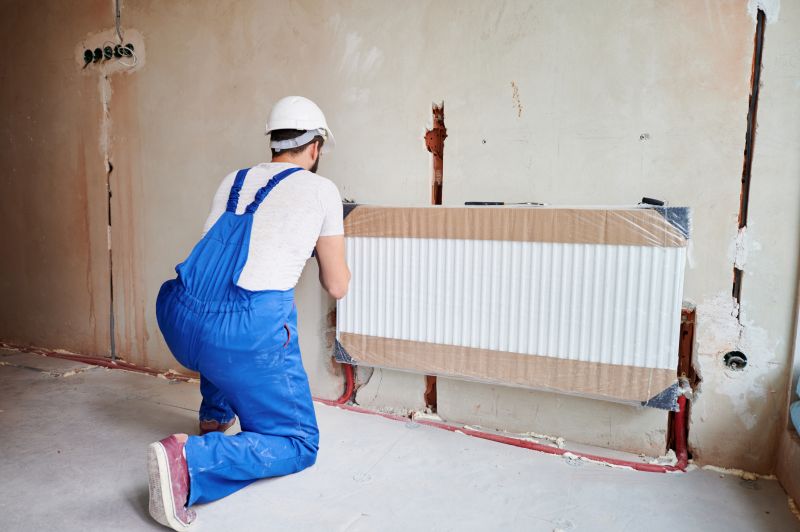
When comparing local contractors for radiator heating installation, it’s important to consider their experience with similar projects. Homeowners should look for service providers who have a proven track record of handling radiator heating systems, ensuring they are familiar with the specific requirements and challenges involved. Asking about past work or requesting examples of completed projects can help gauge a contractor’s familiarity with the type of installation needed, providing confidence that they understand the nuances of the job.
Clear, written expectations are essential to a successful project. Homeowners should seek service providers who can provide detailed estimates and scope of work that outline what will be included in the installation process. This helps prevent misunderstandings and ensures everyone is on the same page regarding the responsibilities and deliverables. A well-defined plan also makes it easier to compare different options and choose a contractor who offers transparency and clarity in their communication.
Reputable references and good communication are key factors when selecting local contractors. Homeowners are encouraged to ask for references from previous clients to verify the quality of work and professionalism. Additionally, service providers who communicate clearly, respond promptly, and are open to questions can make the process smoother and more predictable. It’s important to find a professional who values open dialogue, making it easier to address concerns and ensure the project progresses as expected.
Property owners use Radiator Heating Installation services for practical projects around their homes and businesses. This guide focuses on everyday jobs and straightforward project options.
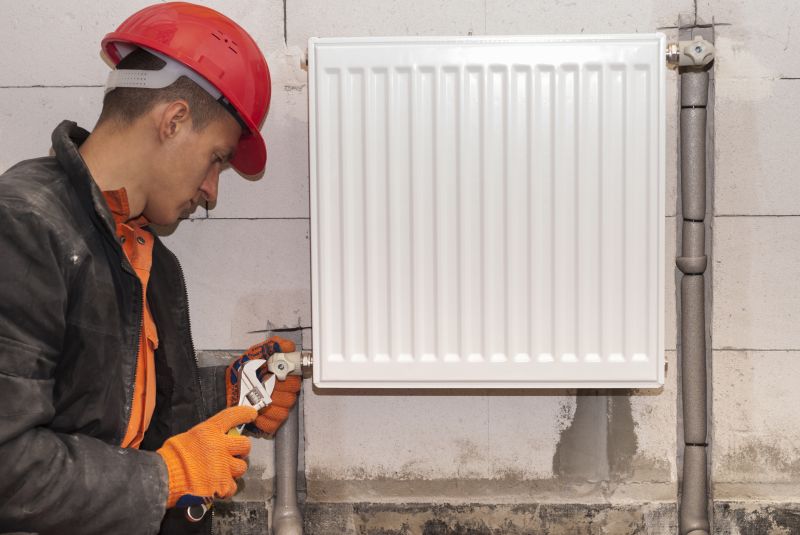
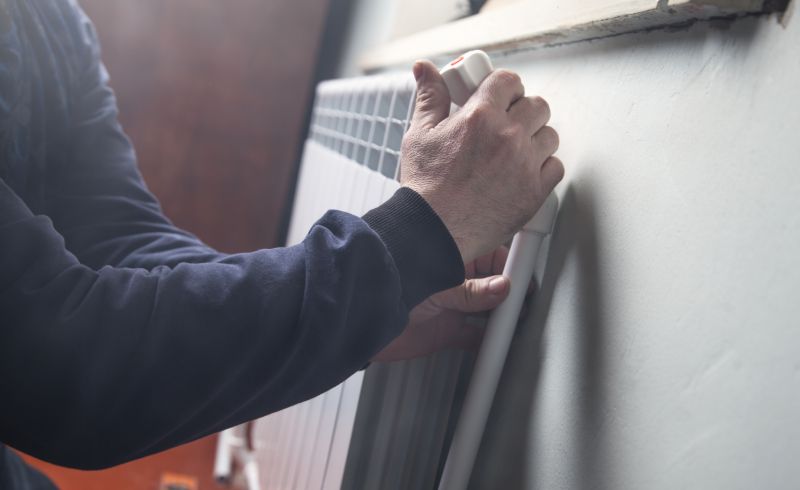
Radiator heating installation is a common project for property owners looking to improve indoor comfort, especially during colder months. Local contractors are often called upon when replacing outdated radiators, upgrading existing systems, or installing new units in homes and commercial buildings. These projects might arise from a need to enhance heating efficiency, replace old equipment, or simply to ensure consistent warmth throughout a property.
Property owners may seek radiator installation services when renovating spaces, adding new rooms, or addressing uneven heating issues. Local service providers can handle various situations, such as installing radiators in different room layouts or integrating new heating solutions into existing systems. Connecting with experienced contractors ensures that the work is done properly, helping maintain a comfortable and functional indoor environment.
What are the benefits of radiator heating systems? Radiator heating systems provide consistent warmth and can improve indoor comfort levels in various types of buildings.
Can existing radiators be upgraded or replaced? Yes, local contractors can assist with upgrading or replacing existing radiators to improve efficiency and performance.
What types of radiators are available for installation? There are several options including cast iron, panel, and modern aluminum radiators, each suited for different heating needs.
Is professional installation necessary for radiator heating systems? Yes, professional installation ensures proper setup, safety, and optimal functioning of the heating system.
How do local service providers determine the right radiator size for a space? They assess the space's heating requirements and recommend radiator sizes that ensure adequate and efficient warmth.
Upgrade to Radiator Heating - Property owners can improve indoor comfort by installing radiator heating systems in living spaces or bedrooms.
Add Zone Control - Homeowners might use zone control options to customize heating in different areas, enhancing energy efficiency and comfort.
Replace Old Radiators - Replacing outdated or inefficient radiators can help maintain consistent warmth throughout a property.
Install Underfloor Radiator Systems - Installing underfloor radiator systems can provide even heat distribution in kitchens, bathrooms, or open-plan areas.
If you are thinking about Radiator Heating Installation for a property, this guide is meant to help you understand the work, the typical project types, and how different options might fit your plans.
When you are ready, you can use the quote form on this page to share a few details about your project. From there, local pros can review the basics and respond with options that match what you have in mind.